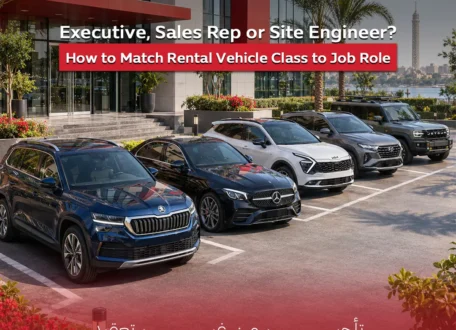
When comparing pool cars vs assigned vehicles, start with how many trips overlap, how quickly employees need to leave and where the vehicles are parked.
Pool cars work well when authorised drivers can collect them easily and trips can be scheduled around one another.
Dedicated access makes sense when a role needs to leave at short notice or start work away from the pool. A hybrid fleet can cover both patterns.
How pooled, assigned and hybrid fleets work
A pooled fleet gives several employees access to shared company cars through a booking process. It suits teams that start at the same office or depot and can stagger planned trips. A pool can serve one location or several, provided the booking record shows where each car will actually be when the next driver needs it.
With assigned company vehicles, a named employee, role or shift has priority access to a specific car. Assigning a vehicle to a role can make sense when whoever is on duty needs the same access. For example, a response engineer may need to depart from a project site while the rest of the team collects vehicles from an office.
A hybrid fleet combines dedicated access for time-critical roles with a pool for planned trips. It can also give a role priority access on certain days or during specific shifts. Define when a priority reservation is released and who can approve an exception so the booking calendar reflects the cars employees can actually use.
Set the controls that make each arrangement work
| Control | Pooled fleet | Assigned vehicles | Hybrid fleet |
| Booking | Reserve a vehicle class, pickup point and time window. Record expected return and flag overruns. | Record the assignment, its dates and any periods when the vehicle is unavailable. | Show protected assignments and bookable pool slots on one calendar. |
| Key handover | Use a named custodian or controlled key point. Log who collected and returned the keys and when. | Give the assignee custody and record any transfer to an approved relief driver. | Identify which keys stay with the role and which return to the pool. |
| Driver authorisation | Check the agreement and approved driver list before releasing keys. | Confirm the primary driver and any authorised cover drivers. | Apply the same authorisation check when an employee moves between assigned and pooled cars. |
| Mileage tracking | Record departure and return odometer readings against each booking. | Record readings at agreed intervals and whenever custody changes. | Keep readings by vehicle ID so movements between arrangements preserve the mileage history. |
| Vehicle condition records | Log new damage or faults at collection and return. Make the latest record visible to the next driver. | Document condition at assignment and return, and report incidents as they occur. | Record condition each time a vehicle moves between the pool and a dedicated assignment. |
Company approval and supplier authorisation are separate checks. Rentex’s guide to rental documents and pickup in Cairo identifies driver approval and handover as points to confirm. For a corporate rental, ask how drivers are added, whether they may use multiple vehicles and how authorisation works if a car is swapped. Record the answers in the agreement and reflect them in your company pool car policy. 01008999980
Decision matrix for corporate rental fleet allocation
Apply the matrix by role, location and shift. A scheduled sales visit from a Cairo office and an urgent callout from a remote project site may need the same vehicle class and very different access arrangements.
| Decision factor | Pool cars fit when | Assigned access fits when | A hybrid fleet fits when |
| Trip predictability | Most trips can be booked ahead and some departure times can move. | Callouts or short-notice departures are routine. | Planned trips dominate, with a recurring need for immediate response. |
| Simultaneous demand | Trips are staggered or the pool can cover their busiest overlap. | A role needs consistent access through the same periods when the pool is busiest. | A protected vehicle covers critical work while the pool covers overlapping scheduled trips. |
| Ease of sharing | Drivers use similar vehicle classes and handovers are straightforward. | A role needs equipment or materials kept in the vehicle, making frequent transfers impractical. | Most employees can share standard cars, while a few roles need a specific setup. |
| Pickup friction | Keys and vehicles are close to where employees start work. | Collecting a car requires a detour or a handover that routinely delays departure. | A central pool serves office trips and a dedicated vehicle serves a separate site or shift. |
| Overnight requirements | Cars return to a common base before the next shift. | A role regularly starts early, finishes late or needs the vehicle positioned overnight. | Most cars return to base, with designated overnight access for particular duties. |
| Cost of delays | A reasonable change in departure time has little effect on the work. | A delayed departure could hold up a crew, interrupt service or cause a missed appointment. | A few trips have costly delays while the rest can move within an agreed window. |
Start with roles that have a defined response requirement, then size the pool for the remaining demand. Count only vehicles that can reach the pickup point in time, meet the trip’s specifications and be driven by the employee concerned. When preparing a rental request, use the Rentex fleet listings to identify candidate classes. Ask which classes can be supplied for your dates and operating locations.
Worked example: Low weekly usage, high morning demand
This example is hypothetical. One office runs a five-day, 40-hour workweek. Its proposed three-car pool provides 120 vehicle-hours before downtime. Each trip needs one car for two hours, all cars return to the same office, and four Tuesday morning trips have fixed appointment times. The figures exclude maintenance and handover buffers.
| Demand window | Trip requests | Vehicle-hours needed | Peak cars needed |
| Tuesday, 8–10 a.m. | 4 | 8 | 4 |
| Thursday, 8–10 a.m. | 3 | 6 | 3 |
| Other times, with trips staggered | 3 | 6 | 1 |
| Weekly total | 10 | 20 | 4 |
Seven of the ten trips fall into two morning windows. The requested 20 vehicle-hours amount to about 17% of the proposed pool’s weekly capacity, yet three cars cannot cover four fixed departures on Tuesday. If every appointment stays fixed, four vehicles must be ready at the office at 8 a.m. If one appointment can move to 10:15 a.m. and the returning car can be checked and handed over in time, three cars can cover that day.
The fourth vehicle could be needed only during the recurring peak. If the fourth trip belongs to a role that also faces regular callouts or starts away from the office, test dedicated access for that role. In a three-pool-car-plus-one-assigned arrangement, recalculate the pool’s peak after removing the assigned role’s trips. If four other employees still need cars at 8 a.m., the pool still has a shortfall.
Run a short pilot before committing to the mix
Run the pilot for four weeks as a starting point. Include a representative busy period, such as a project mobilisation or a week with several site inspections. Tell participants how to request a car and ask them to log a request even if they can already see that the calendar is full. That gives you a record of demand that a completed-bookings report would miss.
| What to track | What to record | How it informs allocation |
| Bookings | Requested and actual departure and return, pickup point, class and trip priority | Shows overlap by location and whether planned bookings match actual trips |
| Rejected requests | Time, location, required class and reason for rejection | Reveals whether the shortage came from capacity, location, class or driver eligibility |
| Delays | Minutes lost and cause, such as a late return, missing keys or a long pickup detour | Shows whether to adjust the handover process, reserve access or add capacity |
| Downtime | Vehicle ID, unavailable window and whether another suitable car covered it | Separates service interruptions from recurring demand that exceeds the fleet size |
| Idle periods | When and where a road-ready car sat unused and whether it was free to book | Identifies capacity that could move to another location or return to the pool |
At the end of each week, review rejected requests and late departures alongside the booking calendar. If delays cluster around key collection, change the handover process and retest. If spare cars sit at one office while another repeatedly runs short, test repositioning before increasing the total fleet. Reserve access for a role when urgent departures remain hard to cover after these changes. If a time-critical role sees very few trips, review the consequences of a missed departure alongside its mileage and hours of use.
Before issuing a rental brief, use the Rentex contact page to ask who can review your operating locations, approved-driver requirements and proposed arrangements for vehicle swaps. Ask for written confirmation of the vehicle classes, quantities and handover dates that matter to the pilot or the longer-term agreement.
Frequently asked questions
What should a company pool car booking policy include?
Specify who can book, how far ahead employees can reserve, which trips get priority and how drivers cancel or extend a booking. Include pickup and return locations, key handover, odometer readings and condition checks. Give drivers a contact for late returns or faults. When a booking ends close to another departure, allow enough time to return the keys and complete the handover.
How should we handle out-of-hours use of pool cars?
Identify the trips that require early departure, late return or overnight parking. Define who can approve them, where the car can be kept and how an authorised driver can collect or return keys when the office is closed. Block the vehicle in the calendar until it is back and ready. Confirm any applicable overnight-use, location and driver conditions in the rental agreement.
How does a hybrid fleet work in practice?
A hybrid fleet protects vehicle access for defined roles or shifts and keeps the remaining cars bookable for planned work. For example, a duty engineer may have an assigned car on callout days while office staff share two vehicles for scheduled visits. Use one calendar to show when assigned access begins and ends, and who can approve temporary release of a vehicle to the pool.
What evidence justifies assigning a dedicated car to an employee or role?
Use records of urgent requests, delayed departures, missed appointments and time spent reaching a pickup point. Compare those records with the role’s expected response time and the cost of disruption. Document any need to carry equipment or start from a separate location. If the evidence points to a particular shift or duty, consider assigning access to that shift or role and name the authorised drivers.
How many pool cars does an office need?
Count how many trip windows overlap at the same pickup point, including the time required to return keys and prepare cars for the next driver. Add rejected requests to the analysis so unmet demand is visible. Test whether flexible trips can move outside peak windows and whether downtime would leave priority trips uncovered. Use those results to set the pool size and any peak-period contingency.
Can an assigned car be made available to other employees?
A company can make an assigned car bookable during defined periods if the role can release it and the rental agreement permits the proposed drivers and use. Record who approves release, where the car and keys will be, and when it must return. Include a condition and odometer check at each handover. If the role remains on call, keep its required response window protected.
Discuss the rental mix your teams need
Use the pool cars vs assigned vehicles decision to specify how many cars must be ready at each location during peak periods and which roles need protected access. Share your teams, operating locations and peak vehicle demand with Rentex Cars Egypt to discuss a suitable rental mix. Enter the vehicle types and quantities through the Rentex corporate car rental enquiry form and share the operating details during follow-up.